
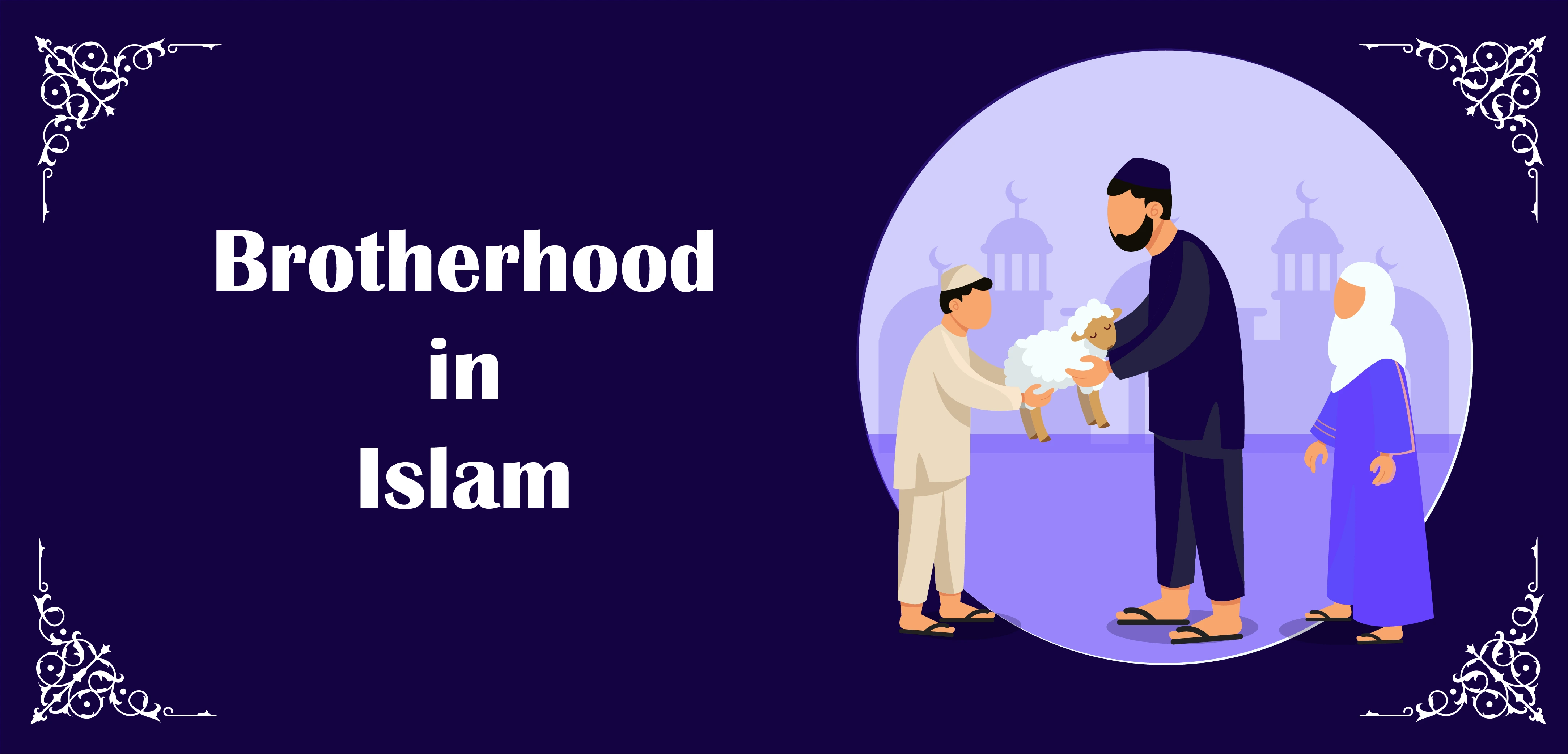



The Importance of Brotherhood in Islam: A Spiritual Bond of Unity
Brotherhood in Islam holds a special place, transcending mere kinship or familial ties. It’s a relationship grounded in shared faith, values, and the collective mission of upholding righteousness. Islam teaches that every Muslim is part of a global community, known as the Ummah, and this bond is not limited by race, nationality, or social status. The core of this brotherhood is love, empathy, and mutual respect for one another.To learn more about Islamic teachings and strengthen your connection with the Ummah, consider exploring online Islamic classes to deepen your understanding.



.svg)

What is Brotherhood in Islam?
Brotherhood in Islam, known as "Ukhuwah", is a fundamental concept embedded within the core values of the faith. It represents a deep bond of unity and mutual assistance among Muslims. Both the Quran and Hadiths highlight the significance of nurturing this special relationship between believers.
Brotherhood Is Rooted in Faith
The Quran and the teachings of Prophet Muhammad (PBUH) emphasize the concept of brotherhood. In Surah Al-Hujurat, Allah says:
This verse encapsulates the essence of brotherhood in Islam. Believers are bound together as siblings in faith. Their differences should be resolved with compassion and justice, promoting peace within the community.
Equality Among Believers
One of the most beautiful aspects of brotherhood in Islam is the message of equality. In his farewell sermon, Prophet Muhammad (PBUH) declared that no Arab is superior to a non-Arab, and no white person is superior to a black person, except by piety and good action. This timeless message eliminates all forms of prejudice, fostering a sense of unity based on righteousness and personal character, not worldly status or appearance.
Rights and Responsibilities in Brotherhood
Islam places immense importance on the rights and responsibilities between Muslim brothers and sisters. Among the most notable teachings is the saying of the Prophet (PBUH):
“"None of you will have faith until he loves for his brother what he loves for himself." (Bukhari & Muslim)
This hadith emphasizes selflessness and empathy. A true believer desires good for his brother just as he desires for himself. Whether it is a matter of material help, emotional support, or spiritual advice, Muslims are encouraged to actively care for each other.
Conclusion: Brotherhood Is a Path to Jannah
The strength of brotherhood is not just beneficial in this world, but it also has spiritual rewards. Supporting each other, resolving conflicts, and building a united, caring community are pathways to attaining Allah’s pleasure and ultimately entering Paradise.
The Prophet (PBUH) also said: "A Muslim is the brother of another Muslim. He does not wrong him, nor does he forsake him, nor does he despise him." (Muslim)
Brotherhood in Islam is more than just a social bond; it’s a divine responsibility. It urges Muslims to rise above differences and live in harmony, constantly looking out for each other and striving to build a just, compassionate society.
Brotherhood in Islam, known as "Ukhuwah", is a fundamental concept embedded within the core values of the faith. It represents a deep bond of unity and mutual assistance among Muslims. Both the Quran and Hadiths highlight the significance of nurturing this special relationship between believers.
Brotherhood Is Rooted in Faith
The Quran and the teachings of Prophet Muhammad (PBUH) emphasize the concept of brotherhood. In Surah Al-Hujurat, Allah says:
This verse encapsulates the essence of brotherhood in Islam. Believers are bound together as siblings in faith. Their differences should be resolved with compassion and justice, promoting peace within the community.
Equality Among Believers
One of the most beautiful aspects of brotherhood in Islam is the message of equality. In his farewell sermon, Prophet Muhammad (PBUH) declared that no Arab is superior to a non-Arab, and no white person is superior to a black person, except by piety and good action. This timeless message eliminates all forms of prejudice, fostering a sense of unity based on righteousness and personal character, not worldly status or appearance.
Rights and Responsibilities in Brotherhood
Islam places immense importance on the rights and responsibilities between Muslim brothers and sisters. Among the most notable teachings is the saying of the Prophet (PBUH):
“"None of you will have faith until he loves for his brother what he loves for himself." (Bukhari & Muslim)
This hadith emphasizes selflessness and empathy. A true believer desires good for his brother just as he desires for himself. Whether it is a matter of material help, emotional support, or spiritual advice, Muslims are encouraged to actively care for each other.
Conclusion: Brotherhood Is a Path to Jannah
The strength of brotherhood is not just beneficial in this world, but it also has spiritual rewards. Supporting each other, resolving conflicts, and building a united, caring community are pathways to attaining Allah’s pleasure and ultimately entering Paradise.
The Prophet (PBUH) also said: "A Muslim is the brother of another Muslim. He does not wrong him, nor does he forsake him, nor does he despise him." (Muslim)
Brotherhood in Islam is more than just a social bond; it’s a divine responsibility. It urges Muslims to rise above differences and live in harmony, constantly looking out for each other and striving to build a just, compassionate society.
The Quran and the teachings of Prophet Muhammad (PBUH) emphasize the concept of brotherhood. In Surah Al-Hujurat, Allah says:
This verse encapsulates the essence of brotherhood in Islam. Believers are bound together as siblings in faith. Their differences should be resolved with compassion and justice, promoting peace within the community.
Equality Among Believers
One of the most beautiful aspects of brotherhood in Islam is the message of equality. In his farewell sermon, Prophet Muhammad (PBUH) declared that no Arab is superior to a non-Arab, and no white person is superior to a black person, except by piety and good action. This timeless message eliminates all forms of prejudice, fostering a sense of unity based on righteousness and personal character, not worldly status or appearance.
Rights and Responsibilities in Brotherhood
Islam places immense importance on the rights and responsibilities between Muslim brothers and sisters. Among the most notable teachings is the saying of the Prophet (PBUH):
“"None of you will have faith until he loves for his brother what he loves for himself." (Bukhari & Muslim)
This hadith emphasizes selflessness and empathy. A true believer desires good for his brother just as he desires for himself. Whether it is a matter of material help, emotional support, or spiritual advice, Muslims are encouraged to actively care for each other.
Conclusion: Brotherhood Is a Path to Jannah
The strength of brotherhood is not just beneficial in this world, but it also has spiritual rewards. Supporting each other, resolving conflicts, and building a united, caring community are pathways to attaining Allah’s pleasure and ultimately entering Paradise.
The Prophet (PBUH) also said: "A Muslim is the brother of another Muslim. He does not wrong him, nor does he forsake him, nor does he despise him." (Muslim)
Brotherhood in Islam is more than just a social bond; it’s a divine responsibility. It urges Muslims to rise above differences and live in harmony, constantly looking out for each other and striving to build a just, compassionate society.
One of the most beautiful aspects of brotherhood in Islam is the message of equality. In his farewell sermon, Prophet Muhammad (PBUH) declared that no Arab is superior to a non-Arab, and no white person is superior to a black person, except by piety and good action. This timeless message eliminates all forms of prejudice, fostering a sense of unity based on righteousness and personal character, not worldly status or appearance.
Rights and Responsibilities in Brotherhood
Islam places immense importance on the rights and responsibilities between Muslim brothers and sisters. Among the most notable teachings is the saying of the Prophet (PBUH):
“"None of you will have faith until he loves for his brother what he loves for himself." (Bukhari & Muslim)
This hadith emphasizes selflessness and empathy. A true believer desires good for his brother just as he desires for himself. Whether it is a matter of material help, emotional support, or spiritual advice, Muslims are encouraged to actively care for each other.
Conclusion: Brotherhood Is a Path to Jannah
The strength of brotherhood is not just beneficial in this world, but it also has spiritual rewards. Supporting each other, resolving conflicts, and building a united, caring community are pathways to attaining Allah’s pleasure and ultimately entering Paradise.
The Prophet (PBUH) also said: "A Muslim is the brother of another Muslim. He does not wrong him, nor does he forsake him, nor does he despise him." (Muslim)
Brotherhood in Islam is more than just a social bond; it’s a divine responsibility. It urges Muslims to rise above differences and live in harmony, constantly looking out for each other and striving to build a just, compassionate society.
Islam places immense importance on the rights and responsibilities between Muslim brothers and sisters. Among the most notable teachings is the saying of the Prophet (PBUH):
“"None of you will have faith until he loves for his brother what he loves for himself." (Bukhari & Muslim)
This hadith emphasizes selflessness and empathy. A true believer desires good for his brother just as he desires for himself. Whether it is a matter of material help, emotional support, or spiritual advice, Muslims are encouraged to actively care for each other.
Conclusion: Brotherhood Is a Path to Jannah
The strength of brotherhood is not just beneficial in this world, but it also has spiritual rewards. Supporting each other, resolving conflicts, and building a united, caring community are pathways to attaining Allah’s pleasure and ultimately entering Paradise.
The Prophet (PBUH) also said: "A Muslim is the brother of another Muslim. He does not wrong him, nor does he forsake him, nor does he despise him." (Muslim)
Brotherhood in Islam is more than just a social bond; it’s a divine responsibility. It urges Muslims to rise above differences and live in harmony, constantly looking out for each other and striving to build a just, compassionate society.
The strength of brotherhood is not just beneficial in this world, but it also has spiritual rewards. Supporting each other, resolving conflicts, and building a united, caring community are pathways to attaining Allah’s pleasure and ultimately entering Paradise.
The Prophet (PBUH) also said: "A Muslim is the brother of another Muslim. He does not wrong him, nor does he forsake him, nor does he despise him." (Muslim)
Brotherhood in Islam is more than just a social bond; it’s a divine responsibility. It urges Muslims to rise above differences and live in harmony, constantly looking out for each other and striving to build a just, compassionate society.
Online Quran learning solutions that meet your needs. World's Top Rated Online Quran Classes for Kids and Adults with Native Arab Quran Tutors.




Want to continue your learning journey? Check out our other popular courses and take your knowledge to the next level!


Join The World's Largest Quran Learning Online Program Today!
Still hesitant about quran classes online? Or do you need help to accomplish it? So, why not take advantage of our free trial sessions and discover them yourself? As we provide this service with top rated teachers, we are sure that you will like how our teachers teach and how simple and hassle-free quran online class is.


By subscribing to the newsletter, you will be updated with our latest blogs, promotion packages, or any other updates regarding HolyQuranClasses through emails.