
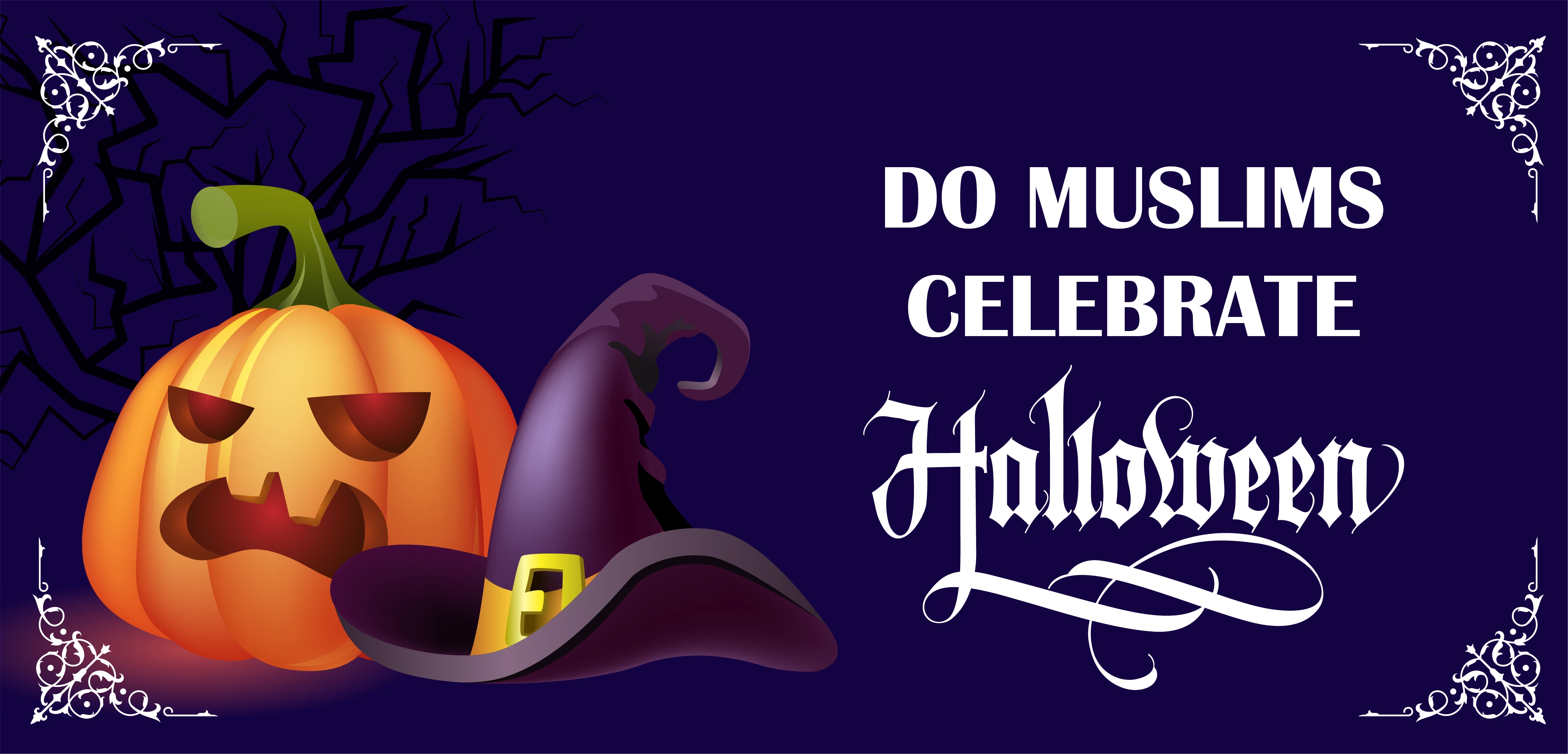



Halloween and Islam: Cultural Practice or Religious Conflict?
As Halloween approaches, the question arises: is there a place for this cultural celebration within Islam? Halloween, known for trick-or-treating, costumes, and spooky decorations, has roots in traditions that do not align with Islamic values.
Understanding Cultural Practices
Islam encourages cultural practices that align with its teachings. While Halloween is primarily seen as a secular holiday in many parts of the world, its origins involve themes that some Muslims may find incompatible with Islamic values. Celebrating holidays that include elements of superstition, such as ghosts and witches, can be viewed as conflicting with the Islamic belief in Tawheed (the oneness of God).
For Muslims, it's essential to reflect on the implications of participating in such celebrations. Are these practices merely cultural, or do they conflict with their faith? Engaging with these questions is vital in understanding where one stands.
Halloween: Not Suitable for Good Muslims
Halloween, with its emphasis on costumes, trick-or-treating, and spooky themes, often promotes behaviors and values that are not in alignment with the principles of good character in Islam.
Islam encourages honesty, integrity, and respect for others, and the practices associated with Halloween can sometimes undermine these values. For example, trick-or-treating involves children going door-to-door asking for candy, which may be viewed as begging. This practice is not consistent with the teachings of Islam, which emphasizes self-reliance and generosity in giving rather than receiving.
Moreover, the themes of fear and superstition prevalent during Halloween can divert focus from more positive aspects of faith, such as compassion, charity, and community service. Instead of participating in a holiday that may conflict with their beliefs, Muslims are encouraged to engage in activities that foster good character and reflect Islamic values. Celebrating the principles of kindness, honesty, and community unity is a more meaningful way to embody the essence of being a good Muslim.
Final Thoughts – Halloween Is Not Allowed in Islam
Halloween is an important issue for Muslims and shouldn't be taken lightly. Its origins are linked to shirk, which means associating partners with Allah.
Halloween stems from an ancient Celtic festival called Samhain, celebrated on the night of October 31. The Celts believed that the dead would return to the earth during this time. To honor the deceased, they lit bonfires and made sacrifices. Understanding this background shows that participating in Halloween ties us to practices that could upset Allah.
Even if you don’t view it as “celebrating” Halloween, do you really want to be involved in rituals that might displease Allah? Halloween is more than just costumes and haunted houses. By accepting this holiday, we risk forgetting the first pillar of Islam: the belief in Allah alone. No amount of enjoyment or candy is worth the risk of displeasing Allah.
A hadith teaches us that the only sin Allah will not forgive is associating partners with Him. Jabir (May Allah be pleased with him) reported that a Bedouin asked the Prophet Muhammad (peace be upon him) about the two paths leading to Heaven or Hell. The Prophet replied, “Whoever dies without associating anything with Allah will enter Heaven, and whoever dies associating partners with Allah will enter the Fire” (Muslim – Riyad as-Salihin 414).
Prioritizing Our Children’s Well-being
Halloween is a temptation we should steer clear of. Even if our kids are excited about it, it’s our duty as mindful parents to teach them better values.
Wanting what’s best for our children is not always simple. Just as we ensure they receive vaccinations and take medicine when sick, we must guide them in making wise choices about holidays as well. They might not appreciate it now, but they will understand in time.
May Allah protect our children and keep them on the straight path. Ameen.
To further explore Islamic teachings, consider our online Quran classes for adults. These classes can enhance your understanding of Islam and help you instill strong values in your family.
Conclusion
In summary, Halloween is not permitted in Islam. Engaging in traditions that involve begging for candy and participating in celebrations rooted in superstition is not in alignment with Islamic values. By focusing on activities that reflect our faith, we can foster a sense of community while remaining true to our beliefs.
Why Choose Us For Learning ?
Online Quran learning solutions
that meet your needs. World's Top Rated Online Quran Classes for Kids and Adults with Native Arab Quran Tutors.
 Learn with Expert Arab Tutors
 Affordable Tuition Fee & Packages
 Schedule of Your own Choice
 Safe & Secure Payment Method
Frequently Asked Questions!
No, Halloween is not allowed in Islam. The holiday’s origins and associated practices conflict with Islamic beliefs, particularly those related to superstition and the oneness of Allah.
Some Muslims may participate in Halloween as a cultural event without fully understanding its implications. However, it’s important to recognize that these practices may not align with Islamic teachings.
The primary concerns include the holiday’s roots in pagan traditions, the themes of superstition, and the act of trick-or-treating, which is viewed as begging and not in accordance with Islamic values.
Yes, Muslims can engage in alternative activities that promote community and family bonding, such as hosting Islamic-themed events, community service, or family gatherings that focus on faith and values.
Expand Your Knowledge:
Recommended Courses to Explore!
Want to continue your learning journey? Check out our other popular courses and take your knowledge to the next level!
Halloween is an important issue for Muslims and shouldn't be taken lightly. Its origins are linked to shirk, which means associating partners with Allah.
Halloween stems from an ancient Celtic festival called Samhain, celebrated on the night of October 31. The Celts believed that the dead would return to the earth during this time. To honor the deceased, they lit bonfires and made sacrifices. Understanding this background shows that participating in Halloween ties us to practices that could upset Allah.
Even if you don’t view it as “celebrating” Halloween, do you really want to be involved in rituals that might displease Allah? Halloween is more than just costumes and haunted houses. By accepting this holiday, we risk forgetting the first pillar of Islam: the belief in Allah alone. No amount of enjoyment or candy is worth the risk of displeasing Allah.
A hadith teaches us that the only sin Allah will not forgive is associating partners with Him. Jabir (May Allah be pleased with him) reported that a Bedouin asked the Prophet Muhammad (peace be upon him) about the two paths leading to Heaven or Hell. The Prophet replied, “Whoever dies without associating anything with Allah will enter Heaven, and whoever dies associating partners with Allah will enter the Fire” (Muslim – Riyad as-Salihin 414).
Prioritizing Our Children’s Well-being
Halloween is a temptation we should steer clear of. Even if our kids are excited about it, it’s our duty as mindful parents to teach them better values.
Wanting what’s best for our children is not always simple. Just as we ensure they receive vaccinations and take medicine when sick, we must guide them in making wise choices about holidays as well. They might not appreciate it now, but they will understand in time.
May Allah protect our children and keep them on the straight path. Ameen.
To further explore Islamic teachings, consider our online Quran classes for adults. These classes can enhance your understanding of Islam and help you instill strong values in your family.
Conclusion
In summary, Halloween is not permitted in Islam. Engaging in traditions that involve begging for candy and participating in celebrations rooted in superstition is not in alignment with Islamic values. By focusing on activities that reflect our faith, we can foster a sense of community while remaining true to our beliefs.
Why Choose Us For Learning ?
Online Quran learning solutions
that meet your needs. World's Top Rated Online Quran Classes for Kids and Adults with Native Arab Quran Tutors.
Learn with Expert Arab Tutors
Affordable Tuition Fee & Packages
Schedule of Your own Choice
Safe & Secure Payment Method
Frequently Asked Questions!
No, Halloween is not allowed in Islam. The holiday’s origins and associated practices conflict with Islamic beliefs, particularly those related to superstition and the oneness of Allah.
Some Muslims may participate in Halloween as a cultural event without fully understanding its implications. However, it’s important to recognize that these practices may not align with Islamic teachings.
The primary concerns include the holiday’s roots in pagan traditions, the themes of superstition, and the act of trick-or-treating, which is viewed as begging and not in accordance with Islamic values.
Yes, Muslims can engage in alternative activities that promote community and family bonding, such as hosting Islamic-themed events, community service, or family gatherings that focus on faith and values.
Halloween is a temptation we should steer clear of. Even if our kids are excited about it, it’s our duty as mindful parents to teach them better values.
Wanting what’s best for our children is not always simple. Just as we ensure they receive vaccinations and take medicine when sick, we must guide them in making wise choices about holidays as well. They might not appreciate it now, but they will understand in time.
May Allah protect our children and keep them on the straight path. Ameen.
To further explore Islamic teachings, consider our online Quran classes for adults. These classes can enhance your understanding of Islam and help you instill strong values in your family.
In summary, Halloween is not permitted in Islam. Engaging in traditions that involve begging for candy and participating in celebrations rooted in superstition is not in alignment with Islamic values. By focusing on activities that reflect our faith, we can foster a sense of community while remaining true to our beliefs.
Online Quran learning solutions that meet your needs. World's Top Rated Online Quran Classes for Kids and Adults with Native Arab Quran Tutors.
No, Halloween is not allowed in Islam. The holiday’s origins and associated practices conflict with Islamic beliefs, particularly those related to superstition and the oneness of Allah.
Some Muslims may participate in Halloween as a cultural event without fully understanding its implications. However, it’s important to recognize that these practices may not align with Islamic teachings.
The primary concerns include the holiday’s roots in pagan traditions, the themes of superstition, and the act of trick-or-treating, which is viewed as begging and not in accordance with Islamic values.
Yes, Muslims can engage in alternative activities that promote community and family bonding, such as hosting Islamic-themed events, community service, or family gatherings that focus on faith and values.
Want to continue your learning journey? Check out our other popular courses and take your knowledge to the next level!

Join The World's Largest Quran Learning Online Program Today!
Still hesitant about quran classes online? Or do you need help to accomplish it? So, why not take advantage of our free trial sessions and discover them yourself? As we provide this service with top rated teachers, we are sure that you will like how our teachers teach and how simple and hassle-free quran online class is.


By subscribing to the newsletter, you will be updated with our latest blogs, promotion packages, or any other updates regarding HolyQuranClasses through emails.