
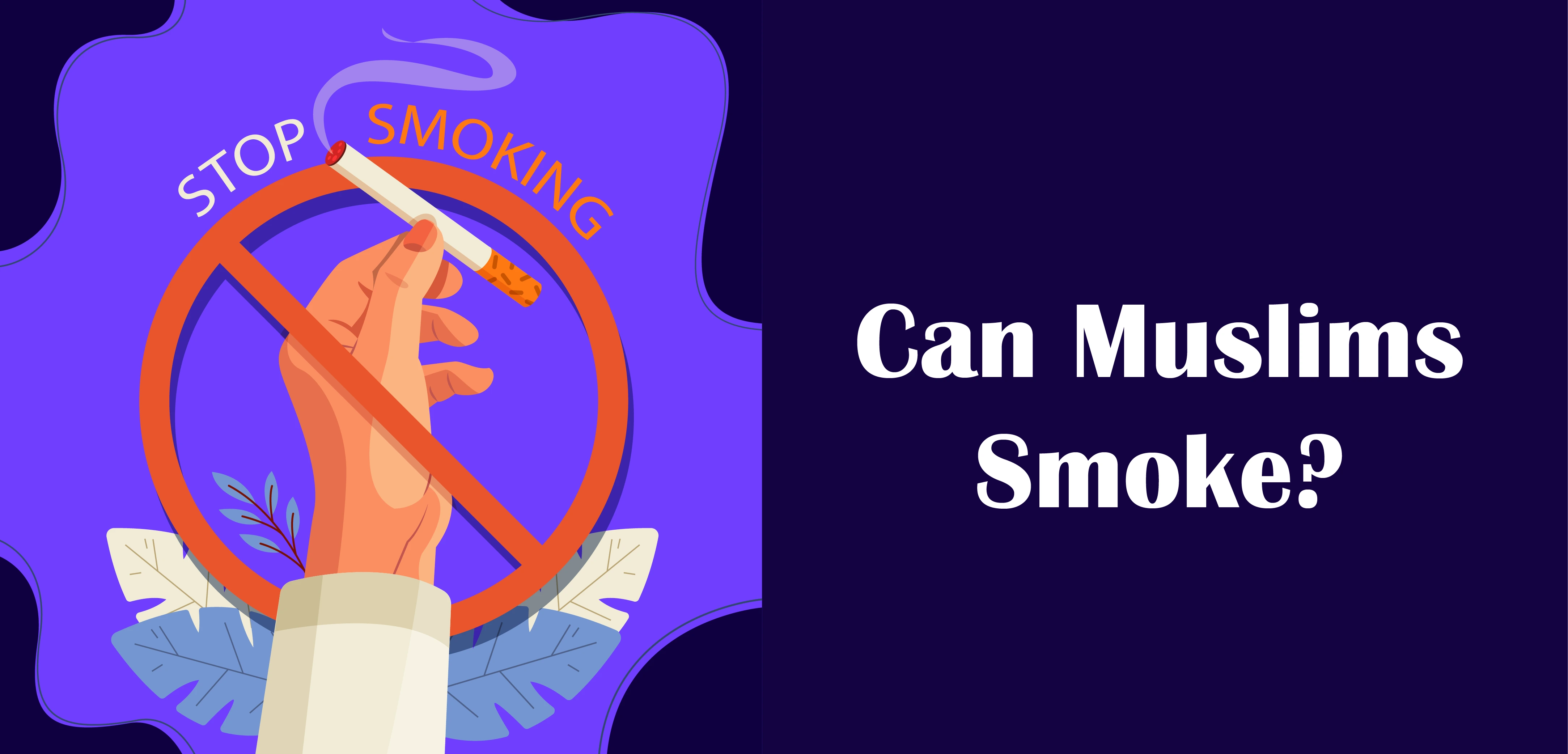



Can Muslims Smoke? Understanding Islamic Perspectives on Smoking
Islamic teachings prioritize human welfare, emphasizing health, well-being, and mindful stewardship of life. Islamic Shari’ah is designed to protect humans in every sphere of life, offering clear guidance on what benefits or harms individuals and society. When reviewing Islamic rulings, one finds that if Allah limits human choice in certain areas, He provides a broader range of wholesome, permissible (halal) options that align with physical, mental, and spiritual well-being. Thus, scholars emphasize that while Islam prohibits harmful practices, it encourages a wealth of positive, beneficial alternatives.



.svg)

Why Is Smoking Considered Harmful in Islam?
Across centuries, Islamic scholars have evaluated various practices to ensure they align with the Qur'an and Hadith's values. Smoking, due to its known health dangers, is generally considered haram (prohibited) by most contemporary scholars, as it poses undeniable risks to the smoker and those around them. Mufti Ibrahim Desai, a respected scholar, stated that the harm of smoking extends beyond the smoker to others, as it can lead to severe diseases like lung cancer. This shared harm conflicts with the Shari’ah’s emphasis on preserving health and avoiding harm to oneself and others.
Smoking introduces numerous toxic substances into the body, including carbon monoxide, nicotine, tar, and benzene. Medical research has established a direct link between smoking and various diseases affecting the lungs, heart, and nervous system. For example, Dr. Salahuddeen Abdur-Rab An-Nabi, a neurosurgeon, highlights that smoking can destabilize a person’s heart rate and blood flow, even causing drowsiness due to narrowed brain arteries. He notes that chronic smokers, particularly at older ages, may experience high blood pressure, angina, digestive and respiratory issues, loss of appetite, and a persistent cough known as "smoker's cough." Additionally, smoking harms the nervous system, causing sensations of prickling, numbness, and nerve pain.
Medical Consensus and the Broader Implications of Smoking
The dangers of smoking have been well-documented in medical literature worldwide. For instance, during a 1966 conference held by the American Medical Association in Chicago, doctors discussed the extensive harms of smoking, emphasizing its role in anxiety and other psychological issues. Edward Kweller Hammond, a prominent statistician for the American Cancer Society, noted that lung cancer, primarily caused by smoking, is only one of the many health risks tied to tobacco use. The compounding effects on the heart, lungs, and other bodily systems highlight smoking’s detrimental effects.
In a publication by World of Knowledge, the extensive impact of smoking on society and health was underlined. Statistics reveal a significant increase in lung cancer cases linked to smoking, particularly among men and, increasingly, women. Economic costs are equally severe, as tobacco addiction contributes to medical expenses and lost productivity. If the funds spent on cigarettes were allocated to positive initiatives, poverty could be alleviated significantly.
Evidence for the Prohibition of Smoking in Islam
While smoking did not exist during the time of the Prophet Muhammad (peace be upon him), Islamic scholars have derived rulings from fundamental principles that emphasize protecting life and avoiding harm. The Qur’an states, “And do not throw yourselves with your own hands into destruction, and do good; indeed, Allah loves the doers of good” (Al-Baqarah, 2:195). This verse, along with others, is often cited as evidence against smoking, as it clearly prohibits engaging in actions that knowingly cause self-harm.
Another relevant verse is: “And do not kill yourselves” (An-Nisaa’, 4:29), which scholars interpret as a prohibition against any form of harm, whether direct or gradual. Since smoking is a primary cause of diseases like lung cancer and tuberculosis, it can be considered a form of slow suicide. In a similar vein, the Prophet Muhammad (peace be upon him) said, “Whoever drinks poison, thereby killing himself, will sip this poison forever in the Hell-Fire.” This hadith implies that knowingly consuming harmful substances is forbidden and carries severe spiritual consequences.
Smoking as a Wasteful and Harmful Expenditure
Islamic teachings also stress the responsible use of resources. Smoking is viewed as a waste of money that could otherwise be used to benefit oneself or others. Allah states in the Qur’an, “Indeed, the wasteful are brothers of the devils, and ever has Satan been to his Lord ungrateful” (Al-Israa’, 17:27). Islamic scholars, including Sheikh Ahmad Kutty from the Islamic Institute of Toronto, affirm that spending on harmful substances like tobacco is a form of ingratitude and poor stewardship of Allah’s blessings. The funds spent on smoking could, if redirected, provide significant aid to those in need, aligning with the principles of charity and community support in Islam.
Furthermore, smoking not only harms the smoker but endangers those around him. Islamic principles emphasize the prevention of harm to others, as evidenced in the hadith, “There should be no causing harm or reciprocating harm” (Ibn Majah). Secondhand smoke exposes non-smokers, including children and family members, to serious health risks, making smoking an act that transgresses against others’ right to health and safety.
Conclusion
Islamic teachings on health, safety, and stewardship provide clear guidance on the prohibition of smoking. With the detrimental effects on the smoker’s body, the waste of financial resources, and the harm it causes to society, smoking stands contrary to Islamic values of self-care, community well-being, and responsible resource use. Muslims are encouraged to avoid smoking and pursue healthier, halal alternatives that support physical and spiritual health, aligning with the principles of Shari’ah and the prophetic tradition of taking care of oneself and others.
Islam ultimately aims for a balanced, healthy life that fosters gratitude to Allah through actions that preserve and enhance life. By choosing to avoid smoking, Muslims demonstrate a commitment to these ideals, ensuring their well-being and positively contributing to society.
Online Quran learning solutions that meet your needs. World's Top Rated Online Quran Classes for Kids and Adults with Native Arab Quran Tutors.




Smoking is generally considered haram because of the severe health risks and harmful effects it has on both smokers and those around them. Islam prioritizes the well-being of individuals and the community, and thus, scholars have ruled against smoking, viewing it as harmful and wasteful. Learn more about Islamic teachings in our online Holy Quran classes.
No, smoking did not exist during the Prophet's (PBUH) lifetime. However, Islamic scholars have used fundamental principles from the Quran and Hadith, such as avoiding harm and wastefulness, to conclude that smoking is prohibited.
While there is no specific verse on smoking, several verses caution against actions that cause self-harm or waste resources. For example, Allah says, "And do not kill yourselves" (An-Nisaa', 4:29), which scholars interpret to include avoiding harmful practices like smoking.
Yes, Islamic scholars emphasize that smoking leads to serious health issues, including lung cancer, heart disease, and respiratory problems. This aligns with the Prophet’s guidance to maintain good health and avoid harmful practices. Find out more about health and Islamic principles in our Quran learning sessions.
Join The World's Largest Quran Learning Online Program Today!
Still hesitant about quran classes online? Or do you need help to accomplish it? So, why not take advantage of our free trial sessions and discover them yourself? As we provide this service with top rated teachers, we are sure that you will like how our teachers teach and how simple and hassle-free quran online class is.


By subscribing to the newsletter, you will be updated with our latest blogs, promotion packages, or any other updates regarding HolyQuranClasses through emails.