
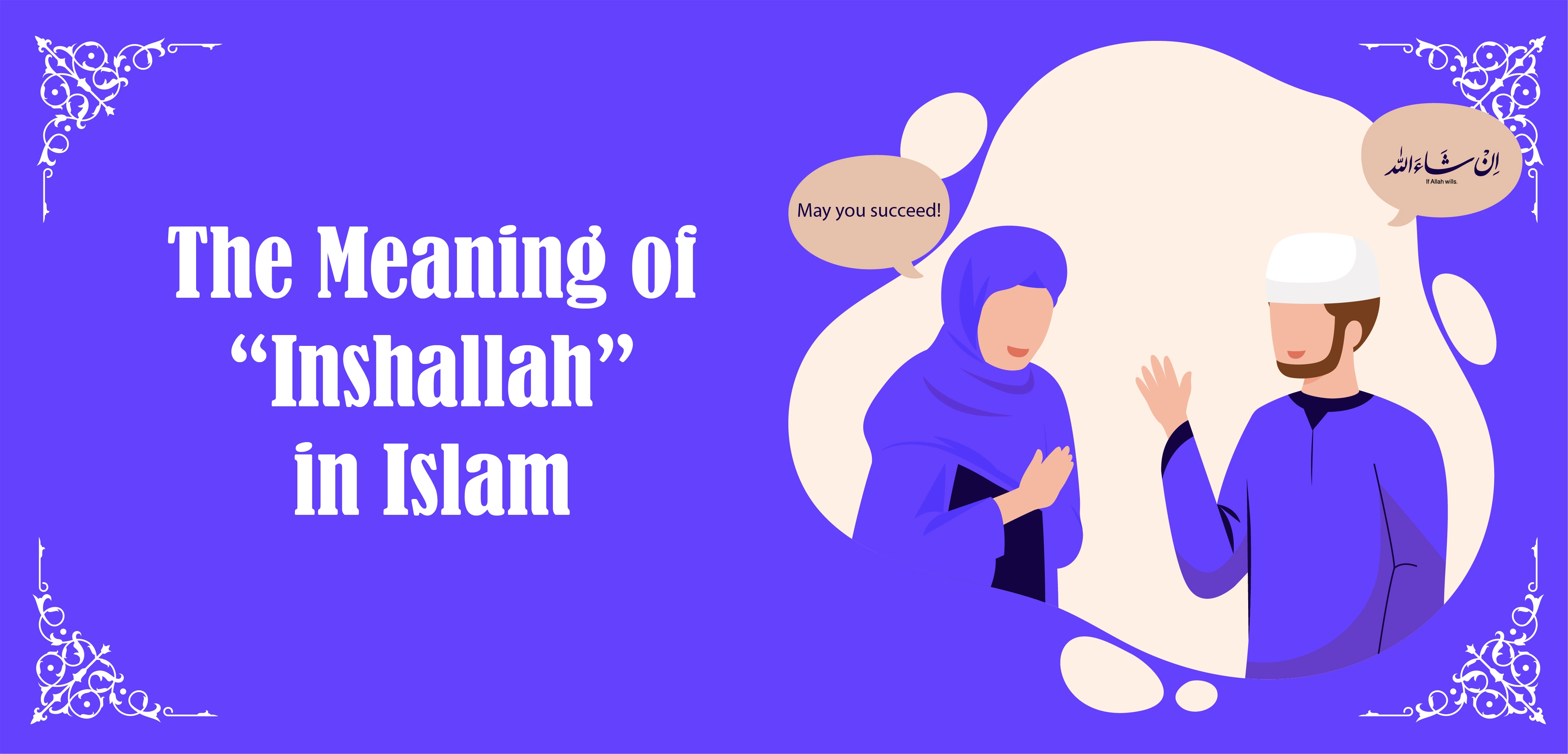



The Meaning of “Inshallah” in Islam
The term “Inshallah” is one of the most commonly used phrases among Muslims worldwide. It is an Arabic expression that translates to “If Allah wills” or “God willing” in English. This simple yet profound phrase is deeply rooted in Islamic teachings and is a reflection of a Muslim’s faith in Allah’s power and plan.
Explore the significance of “Inshallah” and its role in expressing faith and trust in Allah’s will
The Origin of “Inshallah”:
The phrase originates from the Quran, where Allah commands believers to acknowledge His will in their plans. In Surah Al-Kahf (18:23-24), Allah says:
Key Qur'anic Example:
"And never say of anything, ‘Indeed, I will do that tomorrow,’ except [when adding], ‘If Allah wills.’"
This verse emphasizes that nothing happens unless Allah wills it. By saying “Inshallah,” Muslims express their reliance on Allah’s plan, knowing He has control over everything.
Why Do Muslims Say “Inshallah”?
Muslims say “Inshallah” to show that they trust Allah’s plan for everything in life. It means “If Allah wills” or “God willing.”
When Muslims make a plan, like saying, “I’ll visit you tomorrow, Inshallah,” they are reminding themselves and others that only Allah can make it happen. It shows faith that Allah is in control and that nothing happens without His permission.
It also teaches Muslims to stay humble, patient, and hopeful, knowing that Allah’s plans are always for the best.
Three main reasons:
Acknowledgment of Allah’s Control:
Saying “Inshallah” reminds us that we are not in control of outcomes. It’s a declaration of trust in Allah's ultimate authority.
A Sign of Faith:
It reflects a believer's submission to Allah's will and understanding that Allah knows what is best for them.
Politeness in Communication:
The phrase adds politeness when discussing future plans. It shows humility and prevents overconfidence about future events.
Examples of Using “Inshallah”:
Here’s an explanation of how Muslims use “Inshallah” in daily life:
Daily Conversations:
“I will meet you tomorrow, Inshallah.”
“We will complete the project on time, Inshallah.”
Prayers and Hopes:
“May we pass our exams, Inshallah.”
“We will visit the Kaaba next year, Inshallah.”
Lessons from Saying “Inshallah”:
Saying “Inshallah” is more than just a phrase; it is a way of life for Muslims. It reflects deep faith in Allah’s plan and teaches important values that guide a believer’s actions and mindset. Here are some key lessons that come from using this powerful expression:
Teaches Humility:
Saying “Inshallah” reminds us that we are not in control of everything. It helps people stay humble and grounded, recognizing that only Allah has the ultimate power to make things happen. This prevents arrogance and overconfidence about our abilities or plans.
Encourages Patience:
When Muslims say “Inshallah,” they acknowledge that their plans might not unfold exactly as they wish. This acceptance helps them practice patience, trusting that Allah’s timing and decisions are better than their own.
Promotes Hope:
Even in uncertain situations, “Inshallah” inspires hope and optimism. Believers trust that Allah’s plans are always beneficial, even if they don’t understand them immediately. This helps them stay positive and motivated, knowing that Allah’s wisdom guides their lives.
Common Misunderstandings:
Sometimes, people misuse “Inshallah” to avoid commitment. For example, someone might say “Inshallah” but have no intention of following through. This goes against the true spirit of the phrase. Muslims are encouraged to mean it sincerely and strive to fulfill their promises.
Conclusion:
Saying “Inshallah” is more than just a phrase. It is a reminder of our dependence on Allah and His infinite wisdom. So, the next time you make a plan or express hope, remember to say “Inshallah” with sincerity.
Understanding Islamic concepts like “Inshallah” deepens one’s connection to faith. If you want to explore more about the beauty of Islam and the Quran, consider enrolling in our Holy Quran Classes. Whether you’re a beginner or looking to advance, our qualified teachers are here to guide you.
Why Choose Us For Learning ?
Online Quran learning solutions
that meet your needs. World's Top Rated Online Quran Classes for Kids and Adults with Native Arab Quran Tutors.
 Learn with Expert Arab Tutors
 Affordable Tuition Fee & Packages
 Schedule of Your own Choice
 Safe & Secure Payment Method
Frequently Asked Questions!
“Inshallah” means “If Allah wills.” It is a phrase Muslims use to express their trust in Allah's plan when discussing future events or hopes.
Learn more about expressions like “Alhamdulillah”.
Muslims say “Inshallah” to show reliance on Allah and to acknowledge that only He has control over everything. This phrase reflects humility and faith.
Explore how phrases like “Alhamdulillah” are also integral to Islamic faith.
“Inshallah” should be said when discussing plans, hopes, or future intentions. For example, “I’ll visit you tomorrow, Inshallah.” It expresses reliance on Allah’s will..
While it is not obligatory, saying “Inshallah” is highly recommended in Islam. It aligns with the teachings of the Quran, reminding Muslims to always trust Allah’s will.
Expand Your Knowledge:
Recommended Courses to Explore!
Want to continue your learning journey? Check out our other popular courses and take your knowledge to the next level!
The Origin of “Inshallah”:
The phrase originates from the Quran, where Allah commands believers to acknowledge His will in their plans. In Surah Al-Kahf (18:23-24), Allah says:
"And never say of anything, ‘Indeed, I will do that tomorrow,’ except [when adding], ‘If Allah wills.’"
This verse emphasizes that nothing happens unless Allah wills it. By saying “Inshallah,” Muslims express their reliance on Allah’s plan, knowing He has control over everything.
Why Do Muslims Say “Inshallah”?
Muslims say “Inshallah” to show that they trust Allah’s plan for everything in life. It means “If Allah wills” or “God willing.”
When Muslims make a plan, like saying, “I’ll visit you tomorrow, Inshallah,” they are reminding themselves and others that only Allah can make it happen. It shows faith that Allah is in control and that nothing happens without His permission.
It also teaches Muslims to stay humble, patient, and hopeful, knowing that Allah’s plans are always for the best.
Three main reasons:
Saying “Inshallah” reminds us that we are not in control of outcomes. It’s a declaration of trust in Allah's ultimate authority.
It reflects a believer's submission to Allah's will and understanding that Allah knows what is best for them.
The phrase adds politeness when discussing future plans. It shows humility and prevents overconfidence about future events.
Examples of Using “Inshallah”:
Here’s an explanation of how Muslims use “Inshallah” in daily life:
“I will meet you tomorrow, Inshallah.”
“We will complete the project on time, Inshallah.”
“May we pass our exams, Inshallah.”
“We will visit the Kaaba next year, Inshallah.”
Lessons from Saying “Inshallah”:
Saying “Inshallah” is more than just a phrase; it is a way of life for Muslims. It reflects deep faith in Allah’s plan and teaches important values that guide a believer’s actions and mindset. Here are some key lessons that come from using this powerful expression:
Saying “Inshallah” reminds us that we are not in control of everything. It helps people stay humble and grounded, recognizing that only Allah has the ultimate power to make things happen. This prevents arrogance and overconfidence about our abilities or plans.
When Muslims say “Inshallah,” they acknowledge that their plans might not unfold exactly as they wish. This acceptance helps them practice patience, trusting that Allah’s timing and decisions are better than their own.
Even in uncertain situations, “Inshallah” inspires hope and optimism. Believers trust that Allah’s plans are always beneficial, even if they don’t understand them immediately. This helps them stay positive and motivated, knowing that Allah’s wisdom guides their lives.
Common Misunderstandings:
Sometimes, people misuse “Inshallah” to avoid commitment. For example, someone might say “Inshallah” but have no intention of following through. This goes against the true spirit of the phrase. Muslims are encouraged to mean it sincerely and strive to fulfill their promises.
Conclusion:
Saying “Inshallah” is more than just a phrase. It is a reminder of our dependence on Allah and His infinite wisdom. So, the next time you make a plan or express hope, remember to say “Inshallah” with sincerity.
Understanding Islamic concepts like “Inshallah” deepens one’s connection to faith. If you want to explore more about the beauty of Islam and the Quran, consider enrolling in our Holy Quran Classes. Whether you’re a beginner or looking to advance, our qualified teachers are here to guide you.
Saying “Inshallah” is more than just a phrase. It is a reminder of our dependence on Allah and His infinite wisdom. So, the next time you make a plan or express hope, remember to say “Inshallah” with sincerity.
Understanding Islamic concepts like “Inshallah” deepens one’s connection to faith. If you want to explore more about the beauty of Islam and the Quran, consider enrolling in our Holy Quran Classes. Whether you’re a beginner or looking to advance, our qualified teachers are here to guide you.
Online Quran learning solutions that meet your needs. World's Top Rated Online Quran Classes for Kids and Adults with Native Arab Quran Tutors.
“Inshallah” means “If Allah wills.” It is a phrase Muslims use to express their trust in Allah's plan when discussing future events or hopes. Learn more about expressions like “Alhamdulillah”.
Muslims say “Inshallah” to show reliance on Allah and to acknowledge that only He has control over everything. This phrase reflects humility and faith. Explore how phrases like “Alhamdulillah” are also integral to Islamic faith.
“Inshallah” should be said when discussing plans, hopes, or future intentions. For example, “I’ll visit you tomorrow, Inshallah.” It expresses reliance on Allah’s will..
While it is not obligatory, saying “Inshallah” is highly recommended in Islam. It aligns with the teachings of the Quran, reminding Muslims to always trust Allah’s will.
Want to continue your learning journey? Check out our other popular courses and take your knowledge to the next level!


Join The World's Largest Quran Learning Online Program Today!
Still hesitant about quran classes online? Or do you need help to accomplish it? So, why not take advantage of our free trial sessions and discover them yourself? As we provide this service with top rated teachers, we are sure that you will like how our teachers teach and how simple and hassle-free quran online class is.


By subscribing to the newsletter, you will be updated with our latest blogs, promotion packages, or any other updates regarding HolyQuranClasses through emails.