




Why Muslims Don’t Eat Pork: A Detailed Explanation
In Islam, there are certain foods that Muslims are allowed to eat, and some they are told to avoid. One of the foods that Muslims don’t eat is pork. But why?
The reason Muslims don’t eat pork is because it’s a command from Allah, the One who created everything. Allah tells us in the Holy Quran, which is our special book, that we should not eat certain things, and pork is one of them. Since Muslims follow what Allah says, they avoid eating pork.
The Command from Allah
The most important reason why Muslims avoid pork is that it is clearly prohibited in the Holy Quran. In Surah Al-Baqarah (2:173), Allah says:
“He has only forbidden to you dead animals, blood, the flesh of swine, and that which has been dedicated to other than Allah...”
This verse clearly mentions that the flesh of swine, or pork, is haram (forbidden) for Muslims. When Allah gives a command, Muslims believe it is not only for their spiritual benefit but also for their physical well-being. Obeying these commands is a way for Muslims to show their love and trust in Allah’s wisdom.
Spiritual and Physical Purity in Islam
Islam places a lot of emphasis on both spiritual and physical purity. Muslims are taught to keep their bodies clean and pure because their bodies are a trust from Allah. Consuming pork is seen as harmful to this purity.
In addition to the spiritual aspect, there is also the matter of physical health. Pork is known to carry diseases and parasites, such as trichinosis, which is why avoiding it is considered beneficial for health. Although modern methods of cooking can reduce these risks, the command to avoid pork remains in place as a part of the broader Islamic principles of cleanliness and health.
Following the Example of Prophets
Muslims not only follow the teachings of the Quran but also the example of the prophets. Prophet Muhammad (PBUH) strictly avoided pork and instructed his followers to do the same. Moreover, even previous scriptures before Islam, such as the Torah in Judaism, also forbid the consumption of pork. This reinforces the idea that avoiding pork has always been a part of divine guidance for people who follow Allah’s teachings.
Trust in Allah's Wisdom
One of the key beliefs in Islam is trusting that Allah knows what is best for His creation. Muslims believe that Allah’s commands are always in their best interest, even if they don’t fully understand the reasons behind them. Avoiding pork is a demonstration of this trust in Allah’s wisdom. Whether it’s about maintaining good health, cleanliness, or discipline in life, Muslims follow this command out of their faith and devotion.
This verse clearly mentions that the flesh of swine, or pork, is haram (forbidden) for Muslims. When Allah gives a command, Muslims believe it is not only for their spiritual benefit but also for their physical well-being. Obeying these commands is a way for Muslims to show their love and trust in Allah’s wisdom.
Islam places a lot of emphasis on both spiritual and physical purity. Muslims are taught to keep their bodies clean and pure because their bodies are a trust from Allah. Consuming pork is seen as harmful to this purity.
In addition to the spiritual aspect, there is also the matter of physical health. Pork is known to carry diseases and parasites, such as trichinosis, which is why avoiding it is considered beneficial for health. Although modern methods of cooking can reduce these risks, the command to avoid pork remains in place as a part of the broader Islamic principles of cleanliness and health.
Following the Example of Prophets
Muslims not only follow the teachings of the Quran but also the example of the prophets. Prophet Muhammad (PBUH) strictly avoided pork and instructed his followers to do the same. Moreover, even previous scriptures before Islam, such as the Torah in Judaism, also forbid the consumption of pork. This reinforces the idea that avoiding pork has always been a part of divine guidance for people who follow Allah’s teachings.
One of the key beliefs in Islam is trusting that Allah knows what is best for His creation. Muslims believe that Allah’s commands are always in their best interest, even if they don’t fully understand the reasons behind them. Avoiding pork is a demonstration of this trust in Allah’s wisdom. Whether it’s about maintaining good health, cleanliness, or discipline in life, Muslims follow this command out of their faith and devotion.
By refraining from eating pork, Muslims demonstrate discipline and self-control. Islam teaches its followers to practice moderation and avoid anything that is harmful or impure. Following dietary restrictions like avoiding pork helps Muslims build a sense of discipline and mindfulness in their daily lives.
In Islam, the concept of halal (permissible) and haram (forbidden) is important. Muslims are encouraged to consume only halal food and to be mindful of what they eat. By avoiding haram foods like pork, Muslims stay connected to the principles of Islam, always aware of what is allowed and what is not. It’s a reminder that every action in a Muslim’s life, even eating, is guided by their faith.
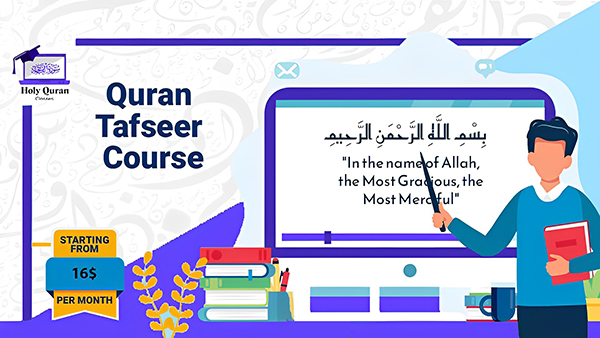
For more in-depth understanding of such teachings in the Quran, you can explore our Online Tafseer Classes to deepen your knowledge of the Quran's guidance.
Muslims don’t eat pork because it is clearly forbidden by Allah in the Holy Quran, and this command carries both spiritual and physical benefits. Following this rule helps Muslims stay pure, healthy, and obedient to Allah’s guidance. It is a sign of their trust in Allah’s wisdom and their dedication to living in a way that pleases Him. By avoiding pork, Muslims reinforce their discipline, maintain a sense of purity, and demonstrate their faith in everyday actions.
Online Quran learning solutions that meet your needs. World's Top Rated Online Quran Classes for Kids and Adults with Native Arab Quran Tutors.




Pork is forbidden in Islam because Allah explicitly prohibits it in the Holy Quran. In Surah Al-Baqarah (2:173), Muslims are commanded not to eat pork as part of living a pure and healthy life according to Allah's guidance.
While the primary reason Muslims avoid pork is because of Allah’s command, there are also health risks associated with pork. Pork can carry diseases and parasites that can be harmful, even though modern cooking methods reduce these risks.
Yes, in addition to Islam, the prohibition of pork is also found in Judaism and some Christian traditions. For example, in the Torah, pork is forbidden for Jews as well.
In extreme situations, where there is no other food available, and a person’s life is in danger, Islam allows the consumption of forbidden items like pork to save a life. This exception is based on the principle that preserving life is one of the highest priorities in Islam.
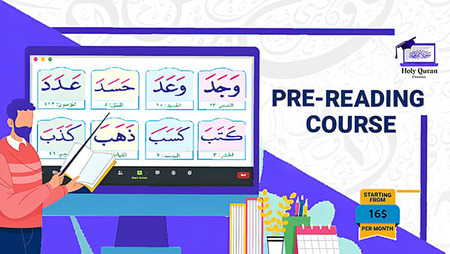
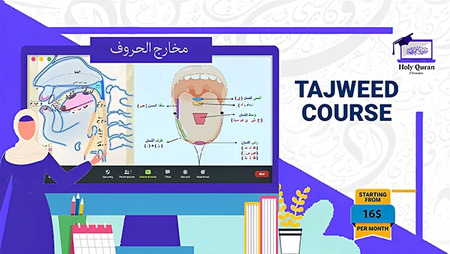
Want to continue your learning journey? Check out our other popular courses and take your knowledge to the next level!


Join The World's Largest Quran Learning Online Program Today!
Still hesitant about quran classes online? Or do you need help to accomplish it? So, why not take advantage of our free trial sessions and discover them yourself? As we provide this service with top rated teachers, we are sure that you will like how our teachers teach and how simple and hassle-free quran online class is.


By subscribing to the newsletter, you will be updated with our latest blogs, promotion packages, or any other updates regarding HolyQuranClasses through emails.